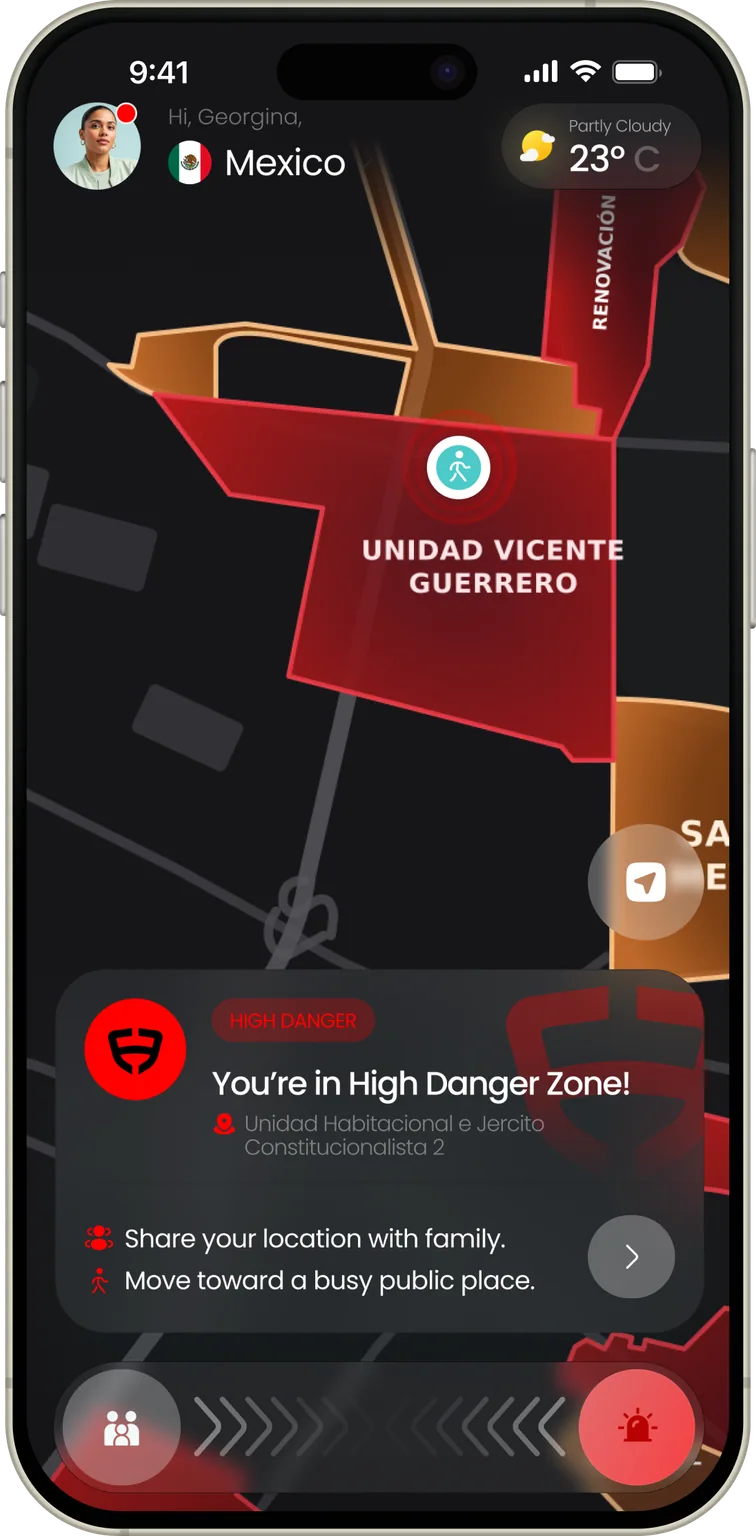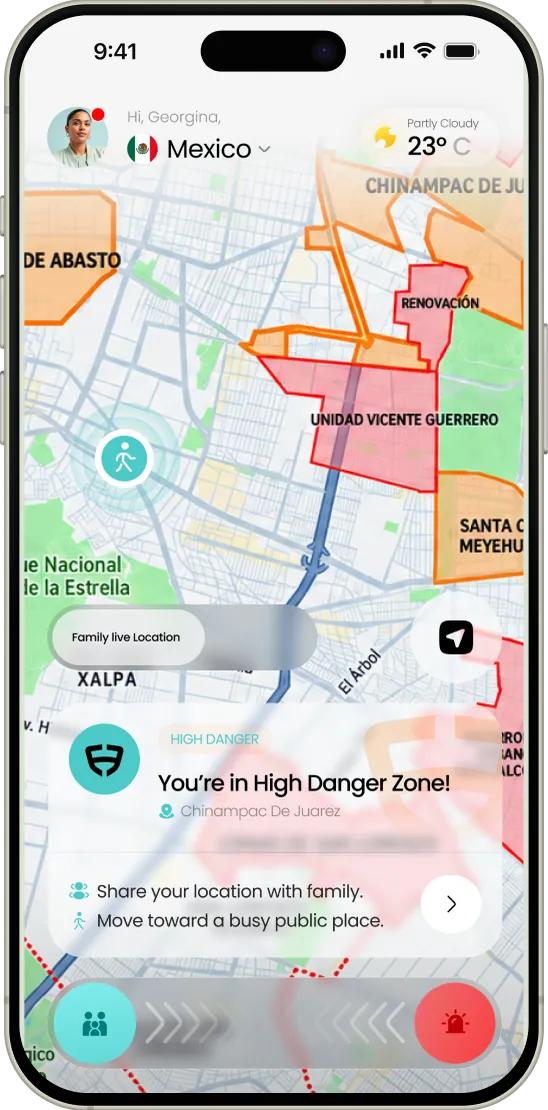
 You’re in High Danger Zone!
HIGH DANGER
Iztapalapa
Our Mexico City guide brings together neighborhood insights and risk classifications to help you make more informed plans.

 Join Waitlist
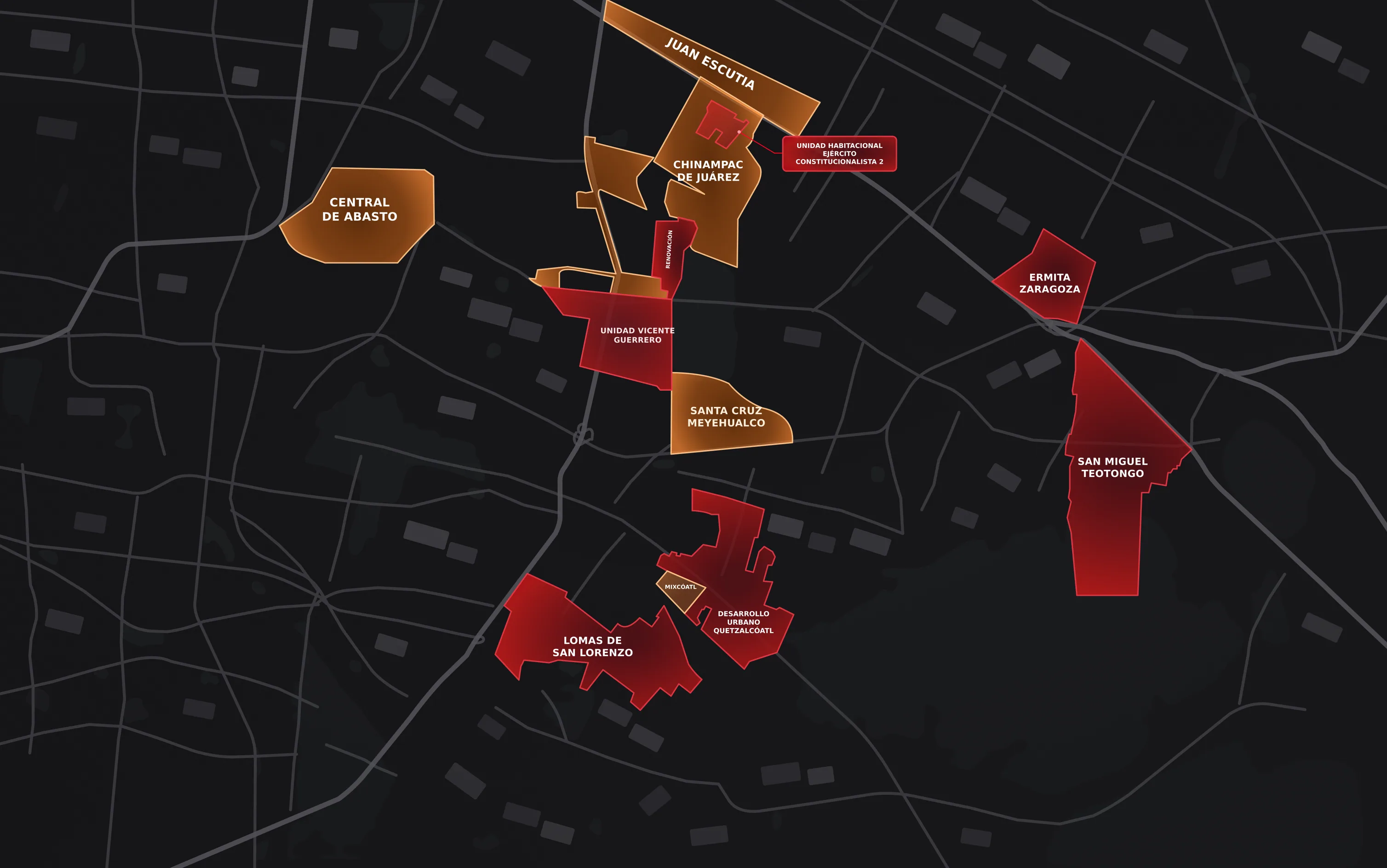
We present a detailed map showcasing 4 dangerous areas of Mexico City that a tourist should never set foot on. Alongside the safest areas that a tourist can very comfortably visit.
Read More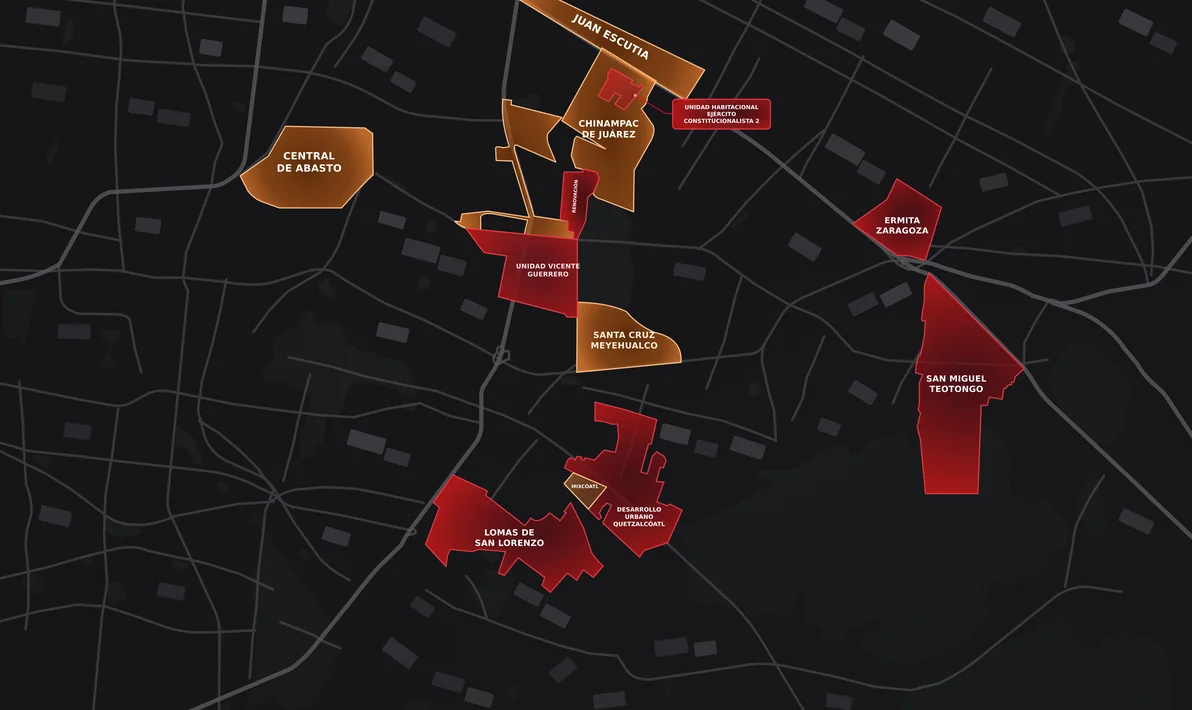
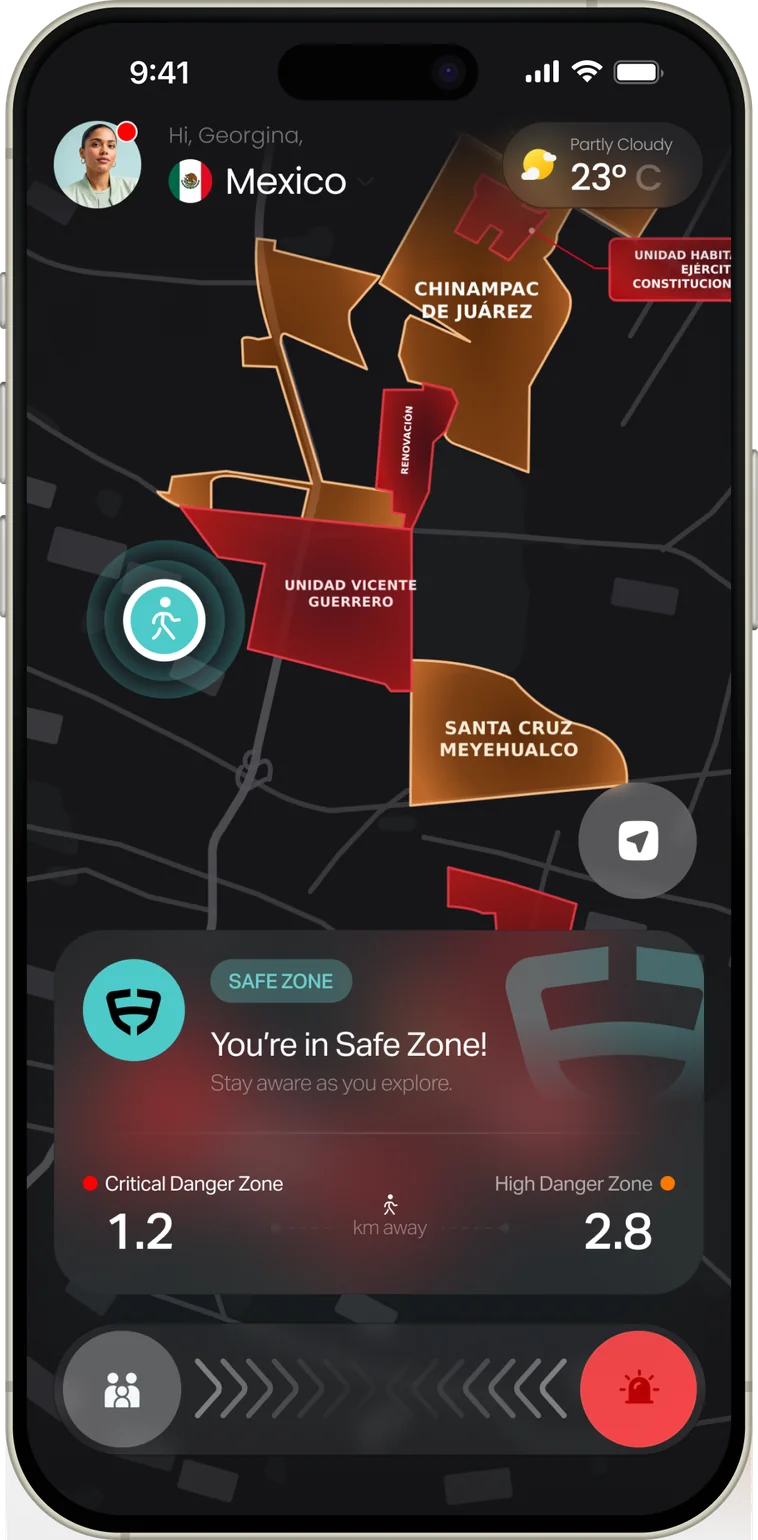
 Mexico City Danger Zone Map
You’re in High Danger Zone!
HIGH DANGER
Our Mexico City guide brings together neighborhood insights and risk classifications to help you make more informed plans.

 YearlyHIGH-IMPACT CRIMES91,965MonthlyHIGH-IMPACT CRIMES7,663DailyHIGH-IMPACT CRIMES255
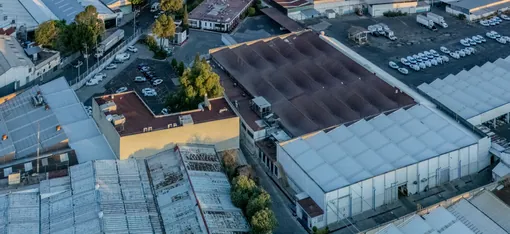
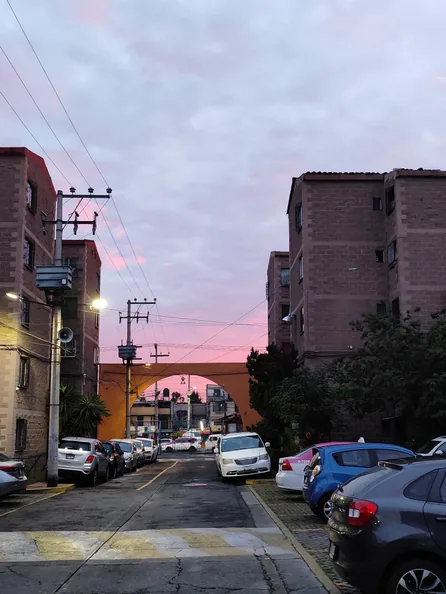
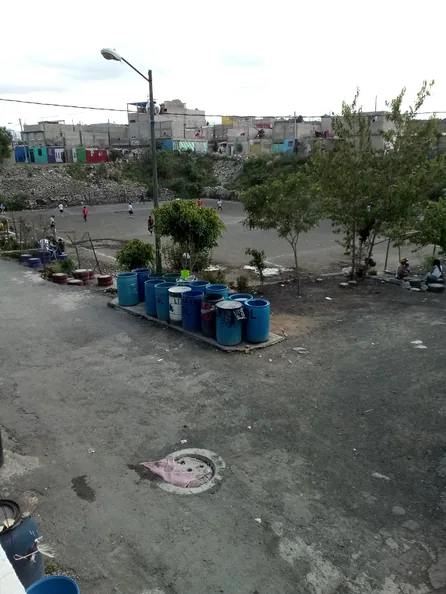
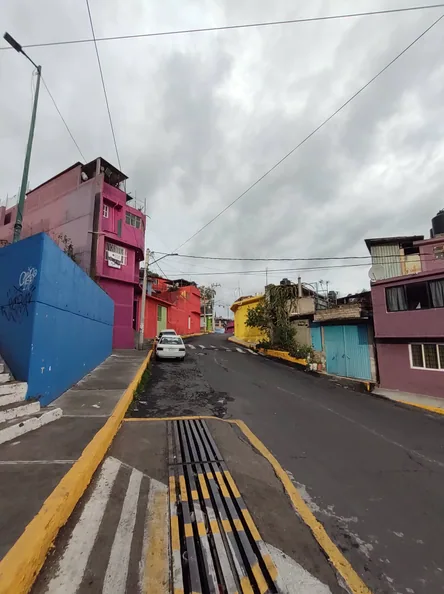
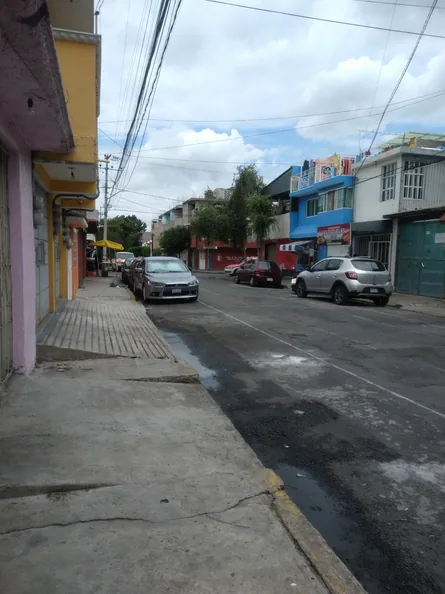
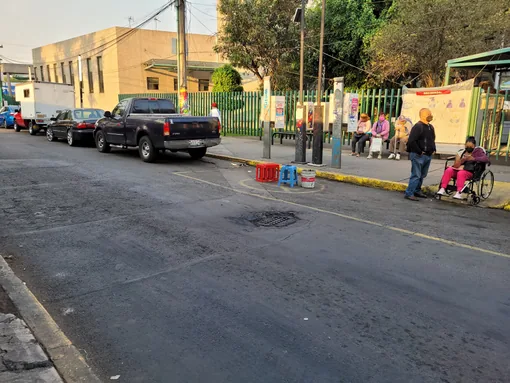
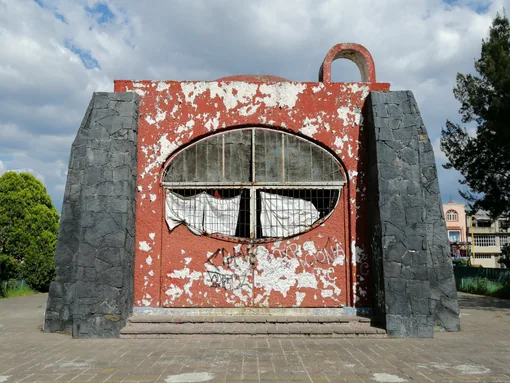
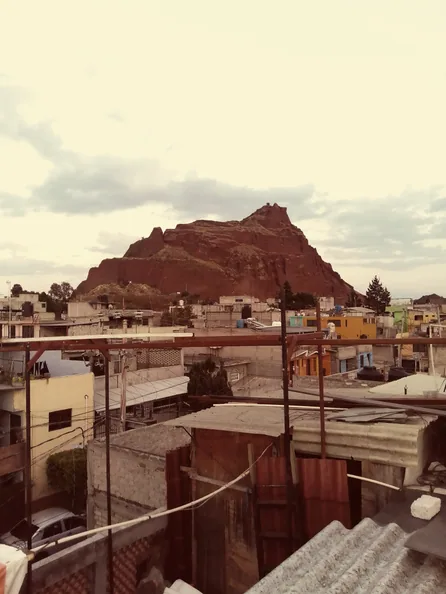
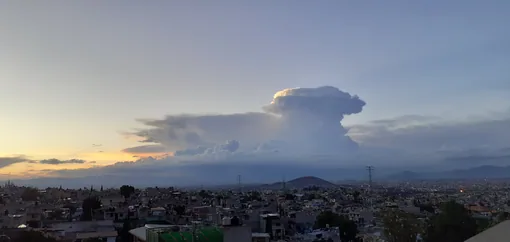
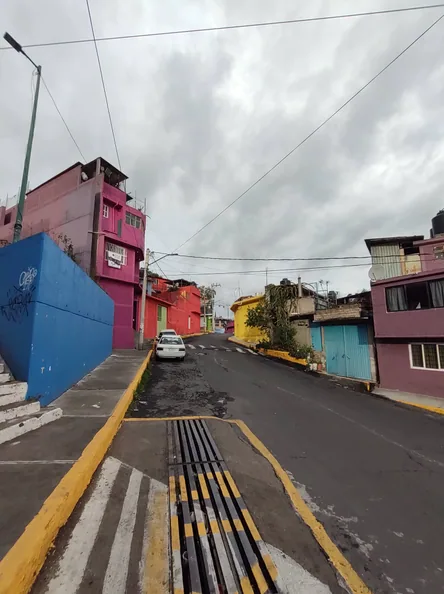
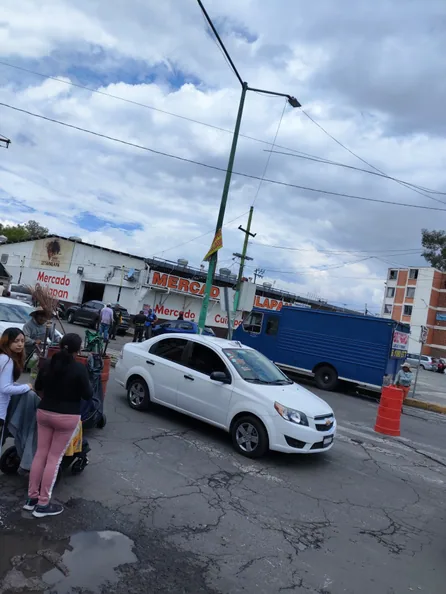
Iztapalapa is located in the eastern part of Mexico City, approximately a 20 minute drive northwest of Mexico City Airport, and it consists of densely built residential neighborhoods built around the needs of the poorest Mexico City population. Despite its predominantly residential character, Iztapalapa hosts some of the most historical tourist destinations of the city alongside the largest wholesale market of the country.
The biggest problem of Mexico City, is that some of the neighborhoods buried inside the city present a shocking danger to both residents and tourists, homicides, extortion, kidnapping, sexual crimes and very frequently robberies. A tourist inside of Mexico City’s Iztapalapa can be at the safest area of Mexico, with one wrong turn you find yourself at a neighborhood responsible for 70% of the city’s crimes.
Using homicide, robbery, and kidnapping data, we’ve mapped Iztapalapa’s most dangerous neighborhoods, classifying each area by risk level from High Danger to The Critical Danger.
The neighborhoods we’re about to highlight account for more than 99% of the city’s reported robberies approximately 11,457 incidents annually, according to our data. HopSafer classifies these neighborhoods as High Danger, advising visitors unfamiliar with the area to avoid entering them, and to avoid them at all costs between 6 PM and 10:00 AM
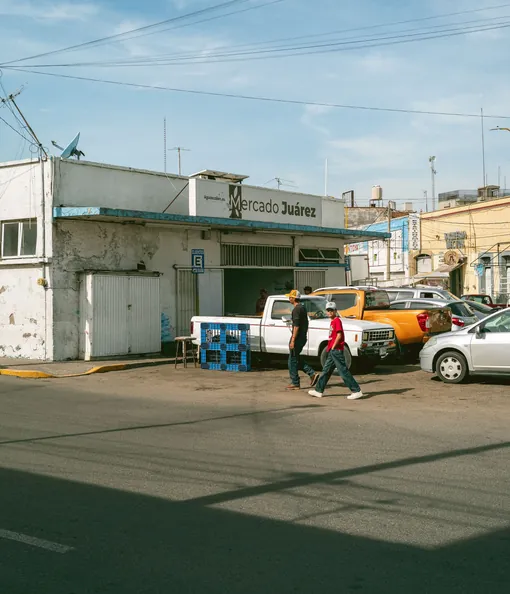
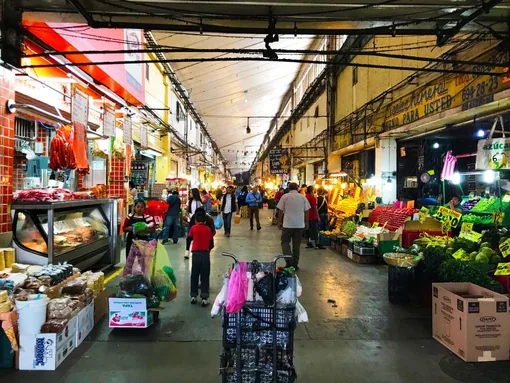
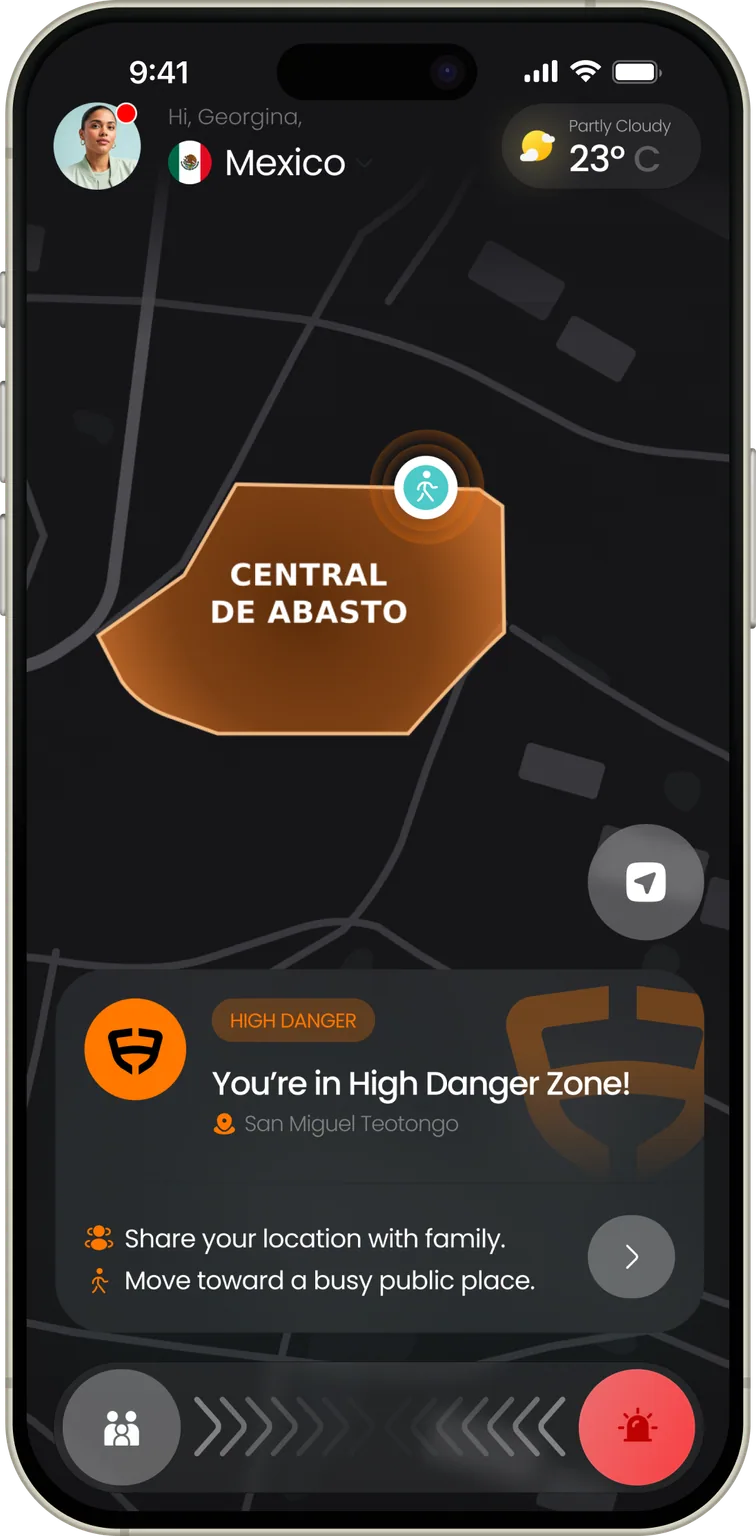
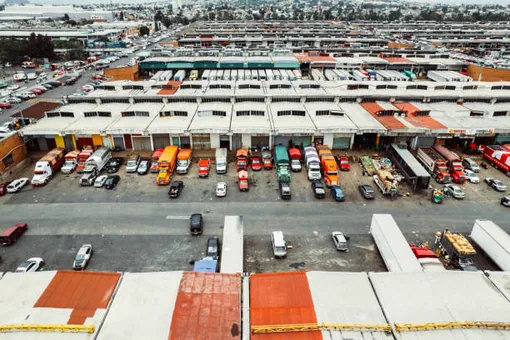
As the country’s largest wholesale food market, Central de Abasto attracts enormous crowds and hosts extensive commercial activity, creating a busy environment where theft can be difficult to detect. With 612 reported robbery incidents annually, it stands out as a robbery hotspot in Iztapalapa. Tourists displaying visible signs of wealth may attract the attention of opportunistic criminals, who can use various methods to steal from their targets, including armed robbery. According to reports from local residents, tourists displaying visible signs of wealth may attract the attention of opportunistic criminals, who use various methods to steal from their targets, including armed robbery.
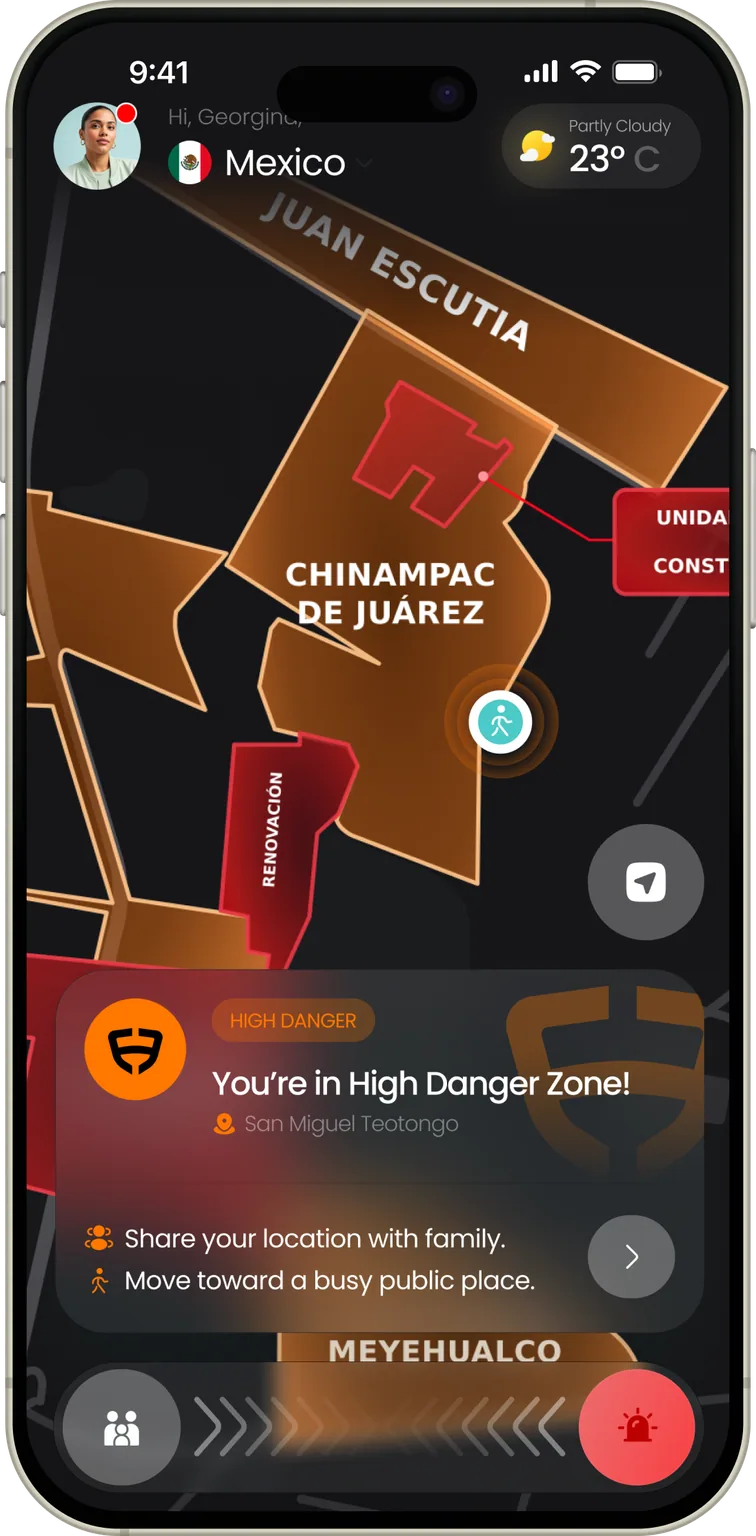
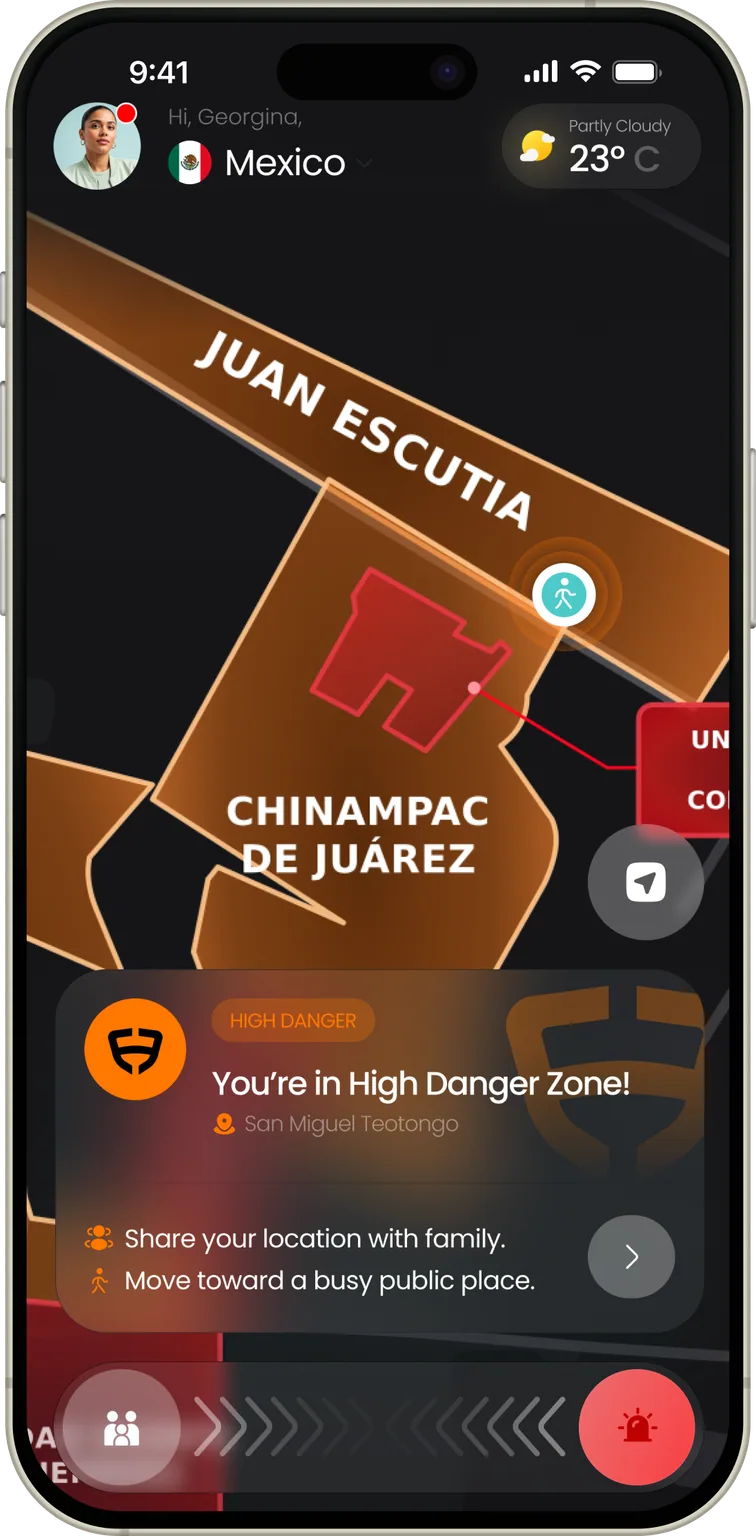
Chinampac de Juárez consists of residential areas alongside parks, the architecture of the neighborhood with the existence of so many empty parks makes a perfect spot for thieves of all sorts, locals report constant robberies. HopSafer advises no visit after 6 pm.
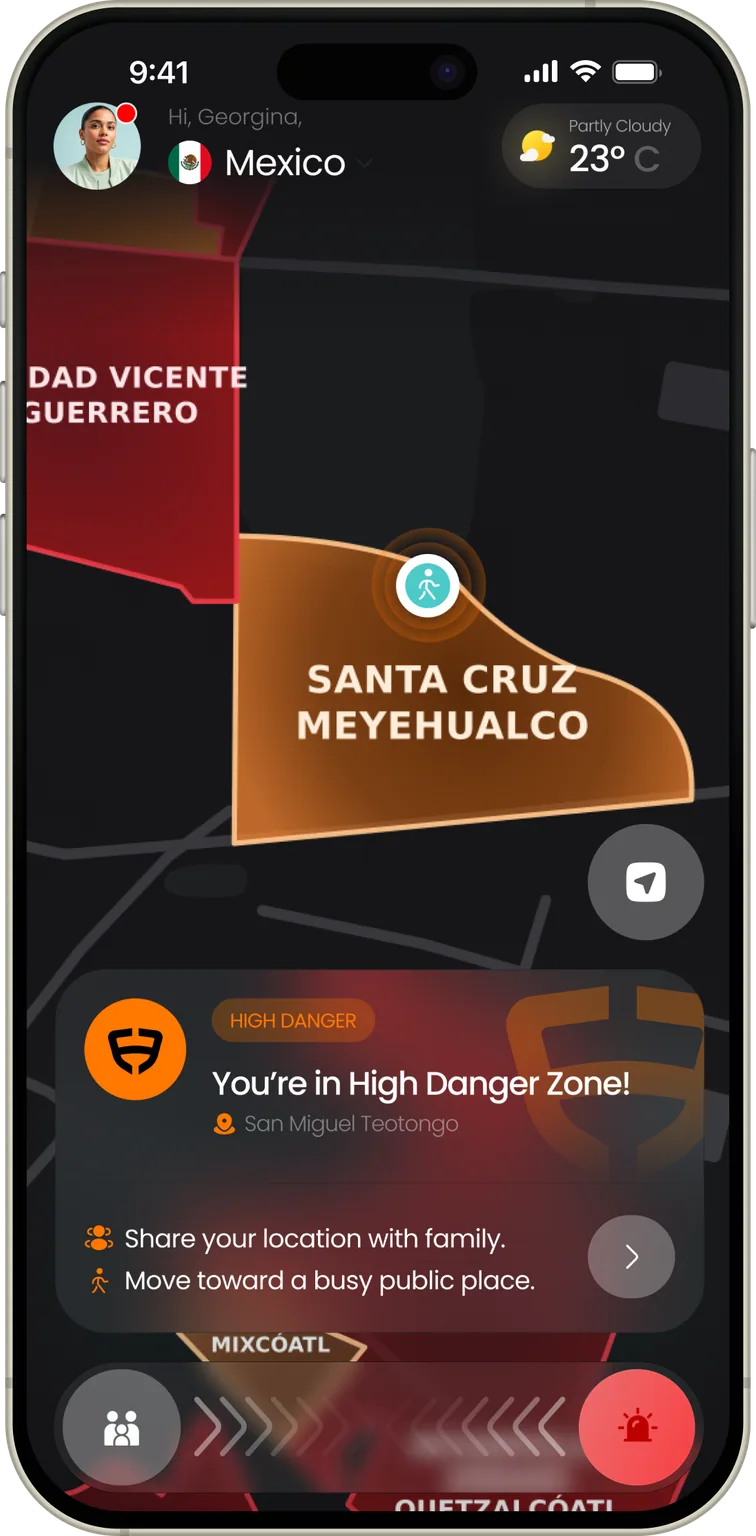
Santa Cruz Meyehualco is also a working class residential neighborhood, the lack of lighting alongside the existence of loads of sidewalks has led to major problems regarding robberies. Local residents report frequent armed robberies. HopSafer also advises a no visit after 6 pm and less walking around the neighborhood
Juan Escutia’s locals report frequent robberies, mostly around 6 pm to 12:00 pm. The residential area suffers from low lighting and lack of police presence.
The neighborhoods we are about to highlight account for the 50% of the high impact crimes of the city, ranging from homicides, kidnapping and high end sexual assaults. Those neighborhoods are advised by HopSafer as an avoid at all costs area.
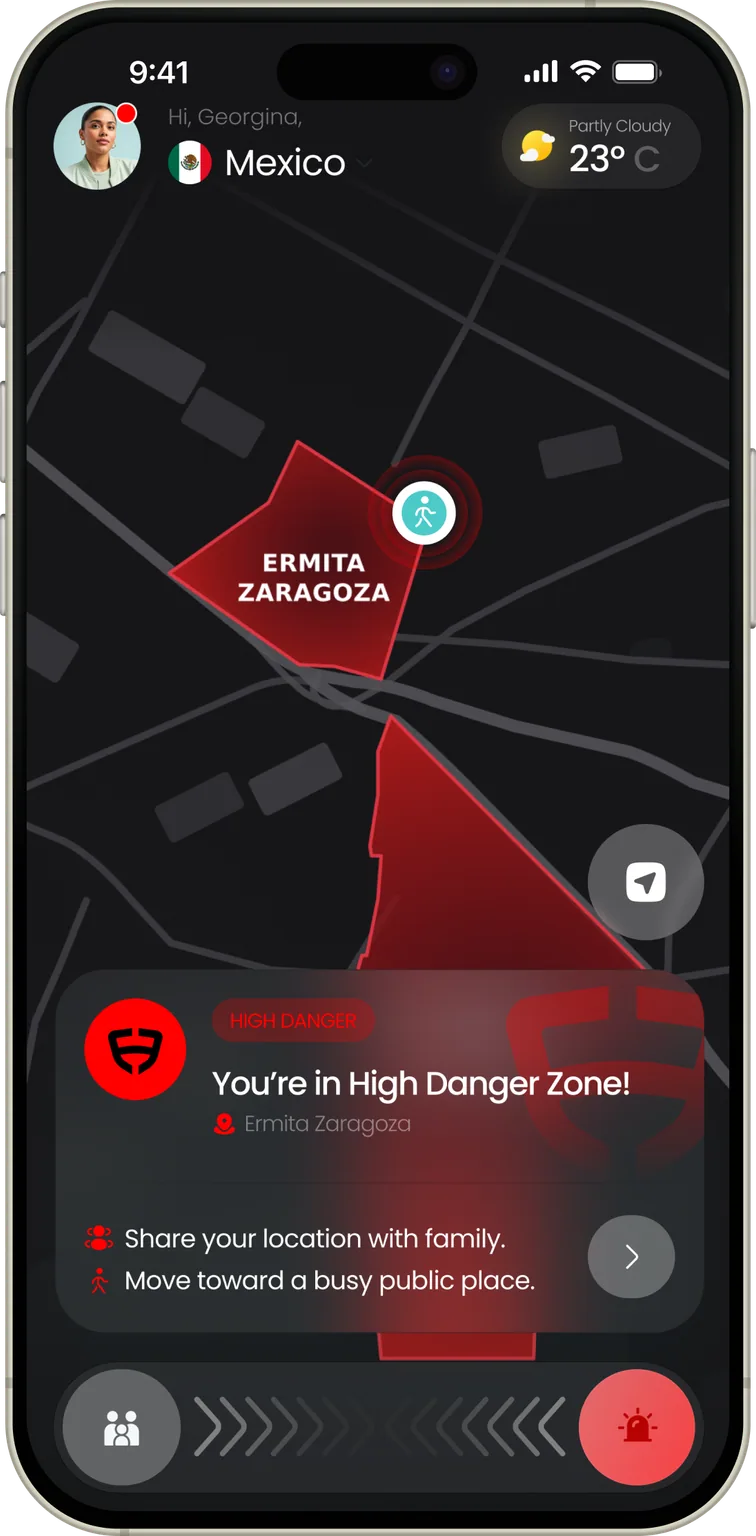
Ermita Zaragoza is a densely populated, working class residential neighborhood. According to the statistics, the area experiences recurring firearm-related homicides and ranks among the leading neighborhoods for high-impact crimes. Based on these findings, HopSafer classifies Ermita Zaragoza as a Critical Danger Zone, advising non-locals to avoid the area at all costs.
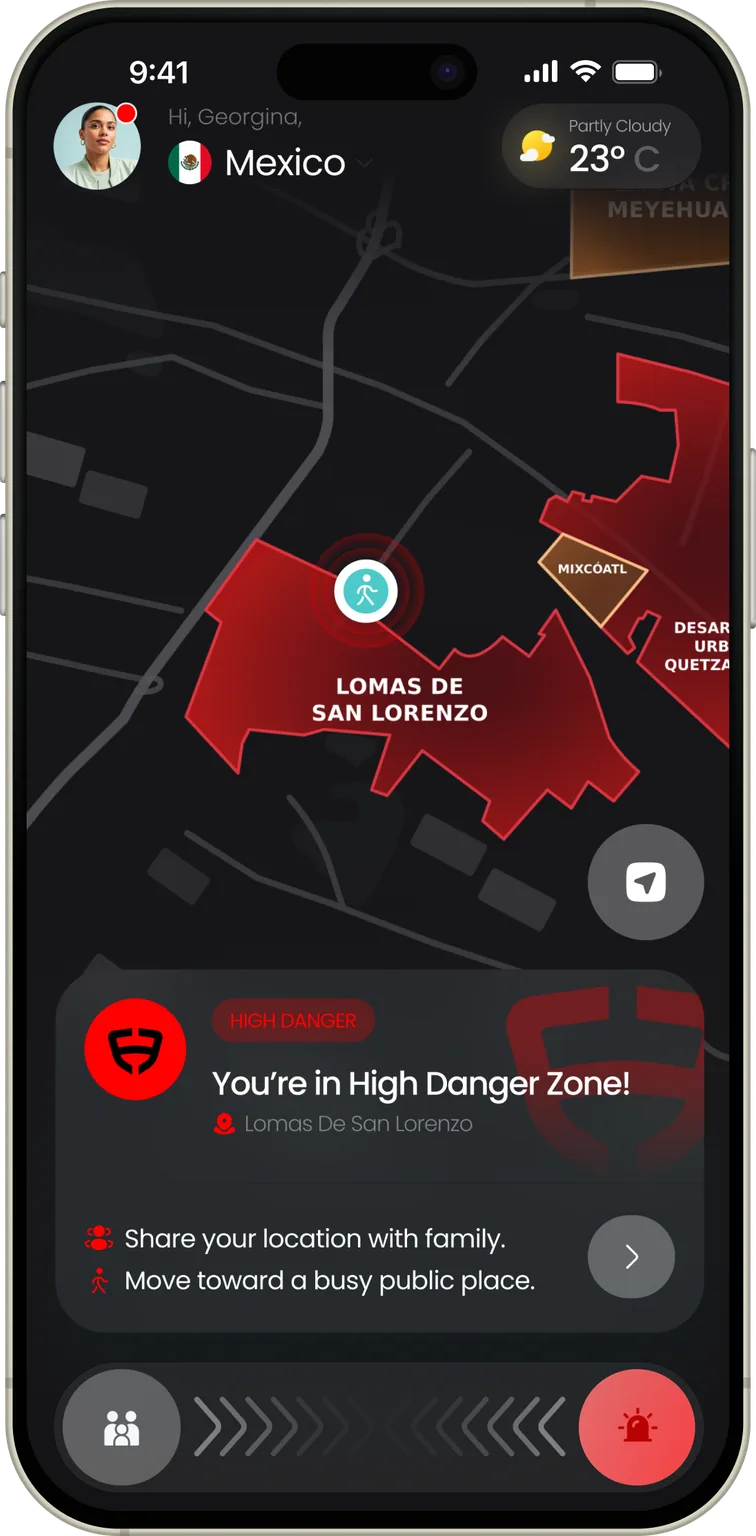
Lomas de San Lorenzo is a residential neighborhood in Iztapalapa, Mexico City, where a high rate of homicides raises serious safety concerns. Based on HopSafer’s risk classification, the neighborhood is ranked as a Critical Danger Zone, and non locals are strongly advised to avoid the area at all costs.
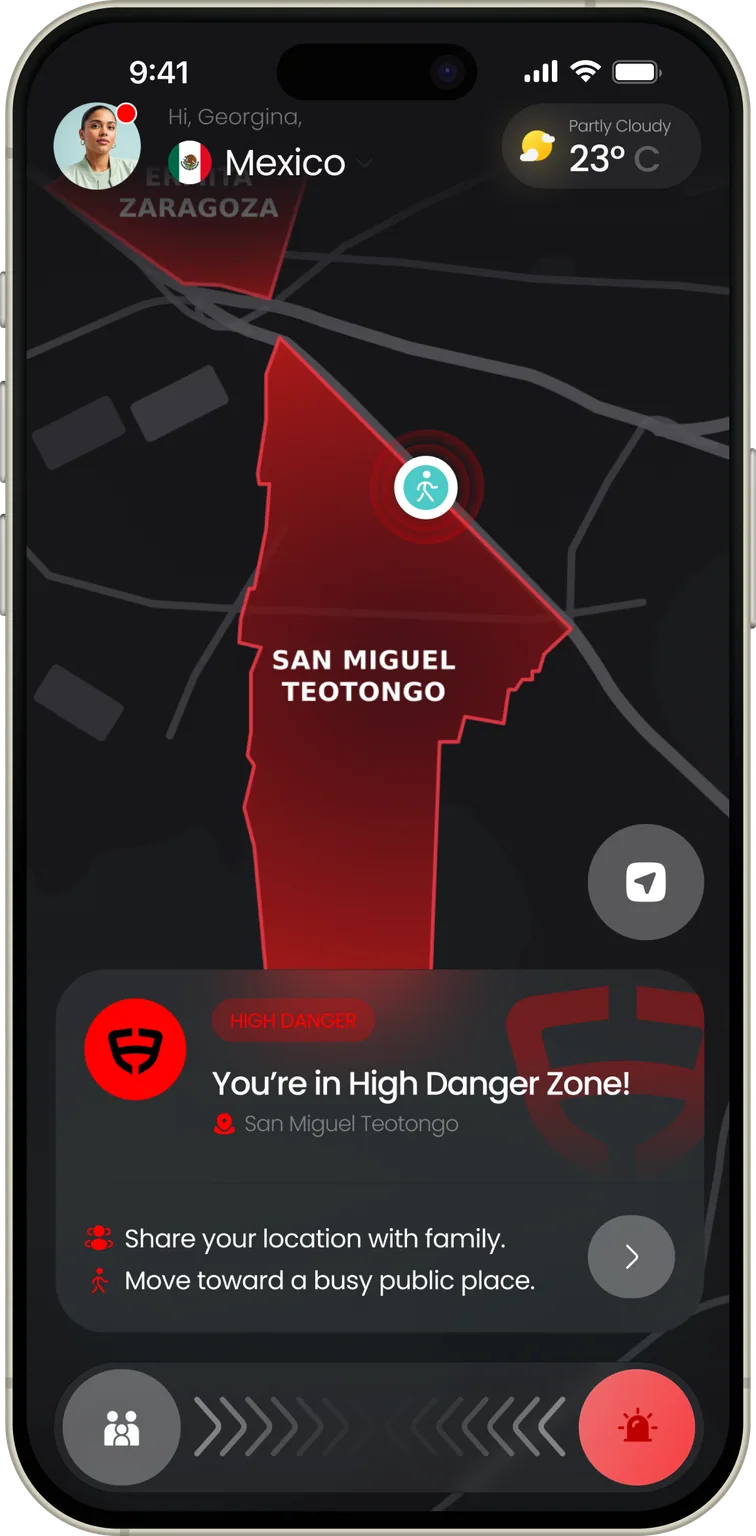
San Miguel Teotongo is a residential area in Iztapalapa with serious homicide concerns. HopSafer ranks it as a Critical Danger Zone, advising non locals to avoid it at all costs.
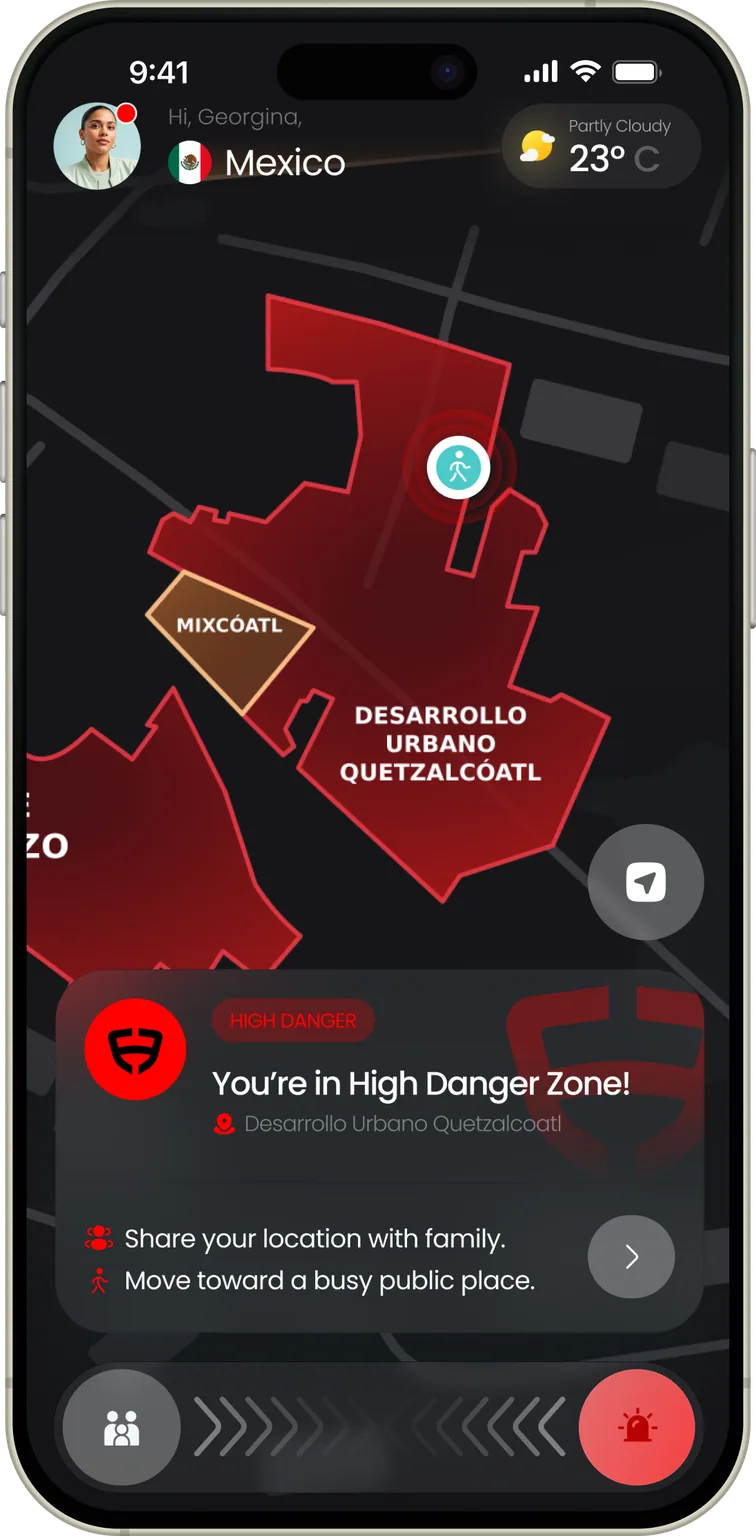
Desarrollo Urbano Quetzalcoatl is a working class residential neighborhood with the vast majority of houses built by the families themselves. With high rates of robberies and homicides, Desarrollo Urbano Quetzalcoatl presents serious safety concerns for those unfamiliar with the area. HopSafer ranks it as a Critical Danger Zone, advising non locals to avoid it at all costs.
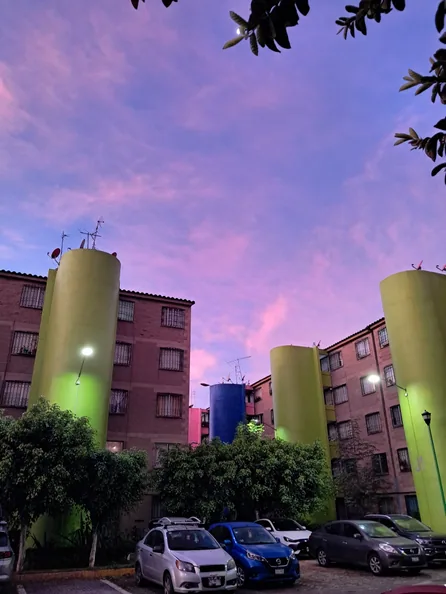
Unidad Vicente Guerrero is a working-class residential area in Iztapalapa, characterized by large housing complexes and densely populated residential blocks. With reported concerns about robberies and violent crime, the area presents potential safety risks for visitors unfamiliar with the local environment. HopSafer ranks it as a Critical Danger Zone, advising non-locals to avoid unnecessary visits and exercise extreme caution.
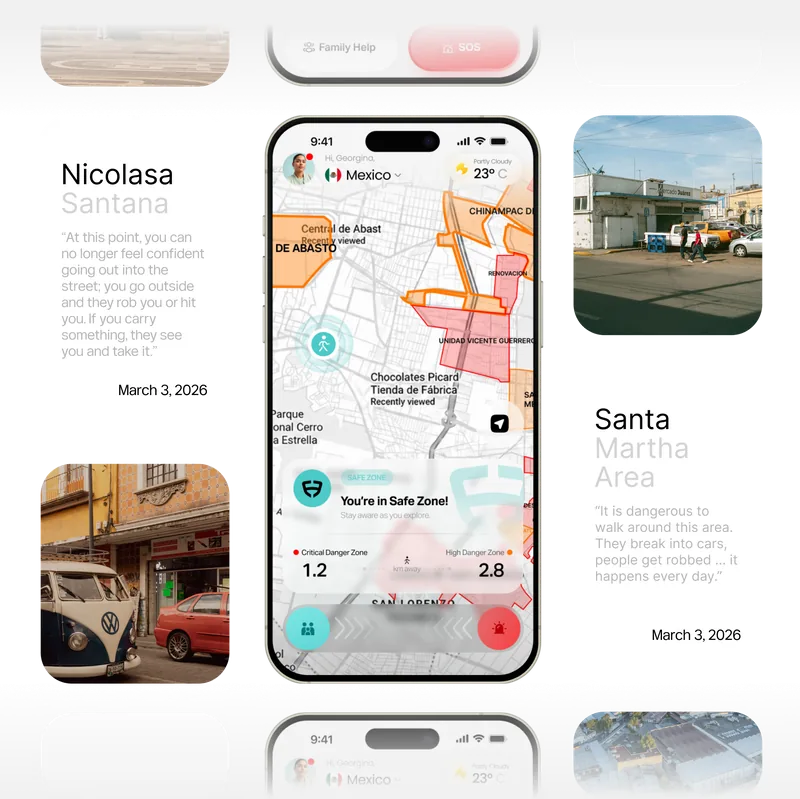
Get 3 days free when HopSafer launches, then enjoy lifetime access for a one-time payment of $45.
Combining local residents’ insights with crime statistics, HopSafer maps Mexico City’s high-risk neighborhoods to help tourists identify the areas they should avoid.
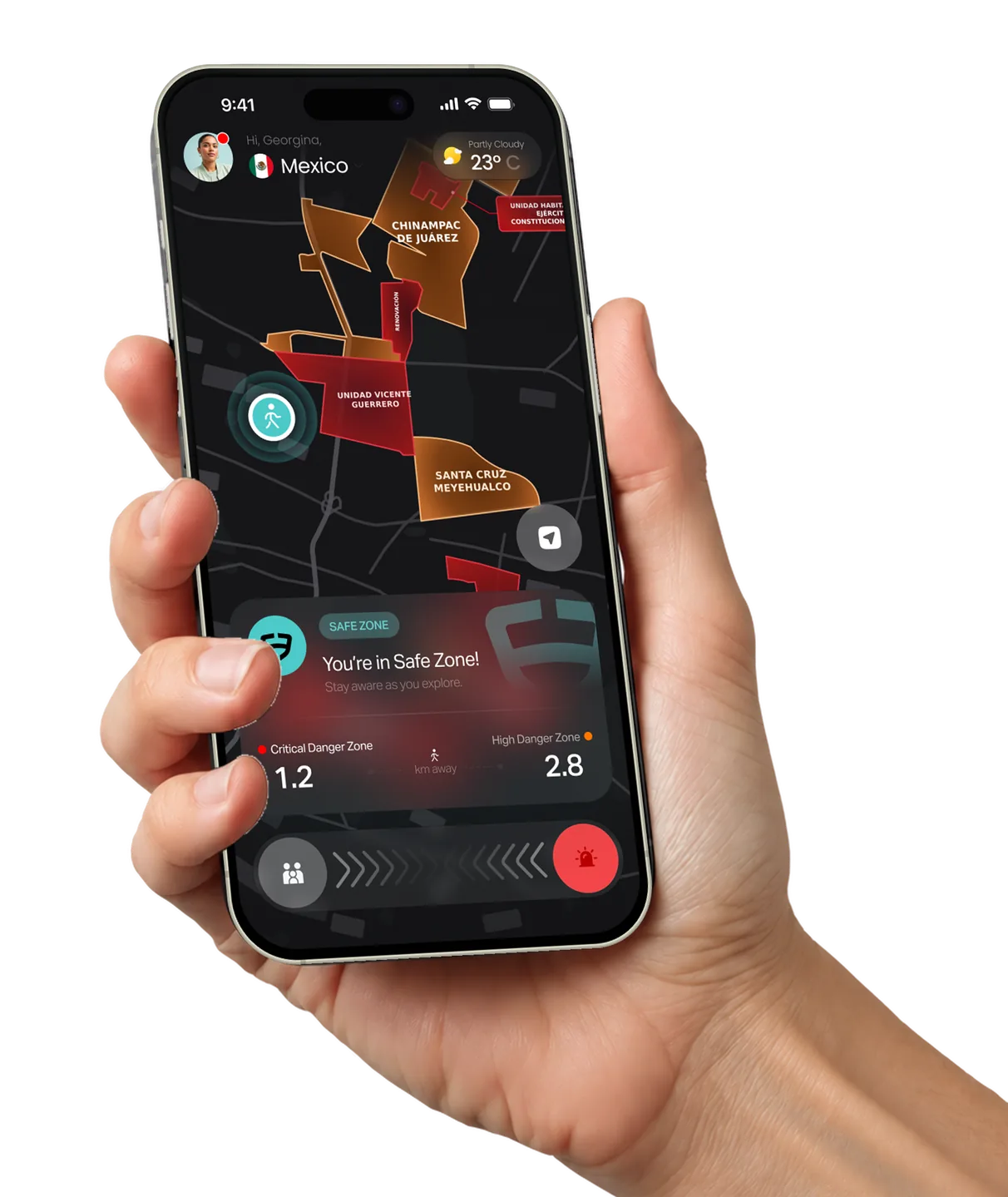
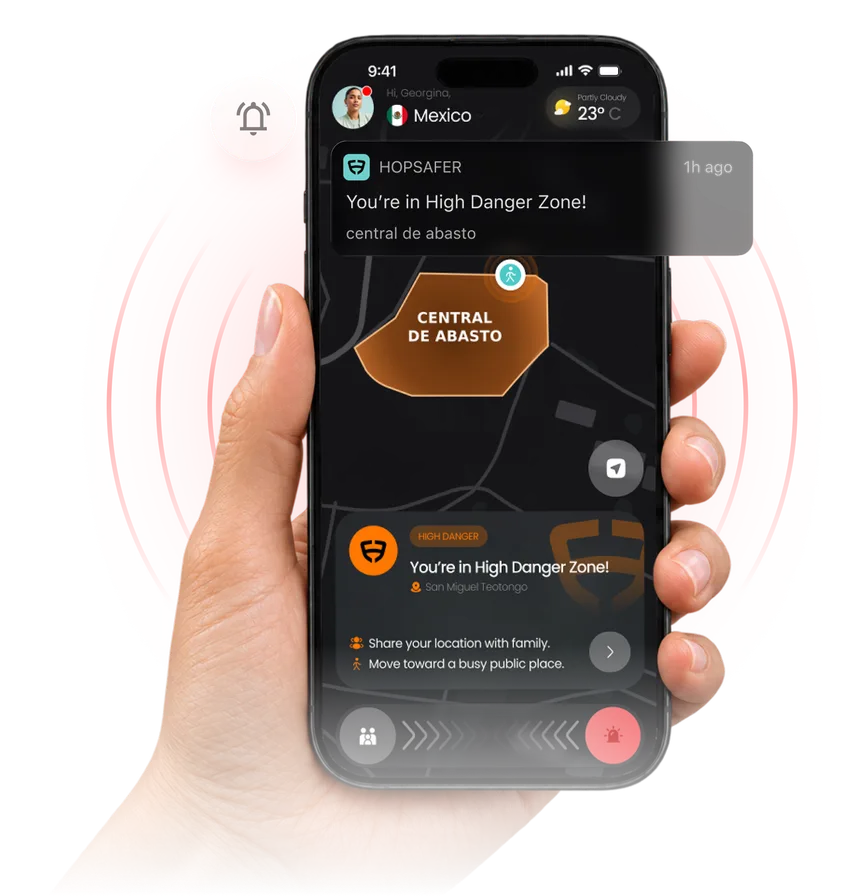
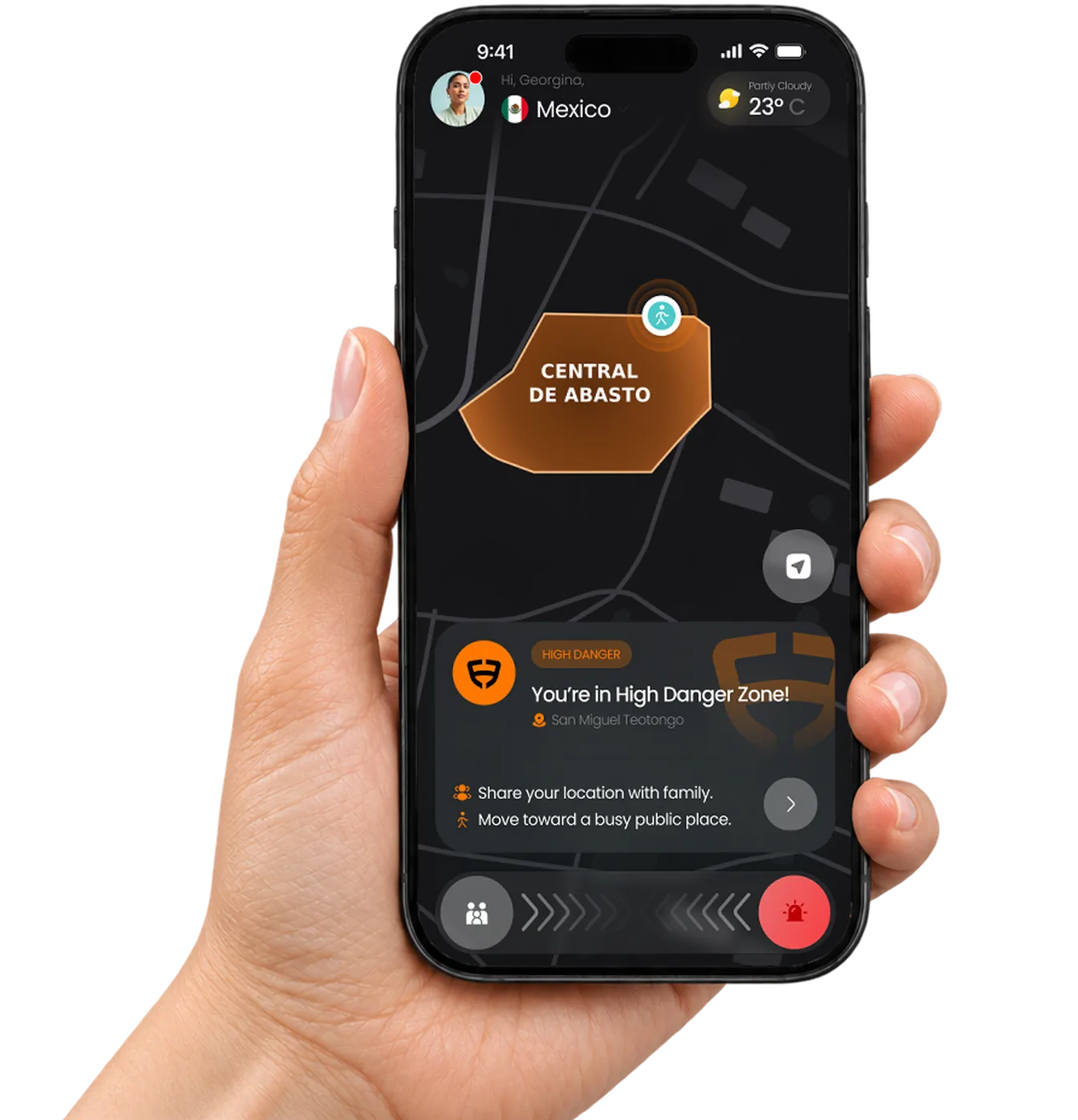


Navigating unfamiliar neighborhoods can be difficult. HopSafer tracks your location in real time and alerts you with instant vibrations and audible alarms as you approach dangerous areas so you can react before you enter a high-risk zone.
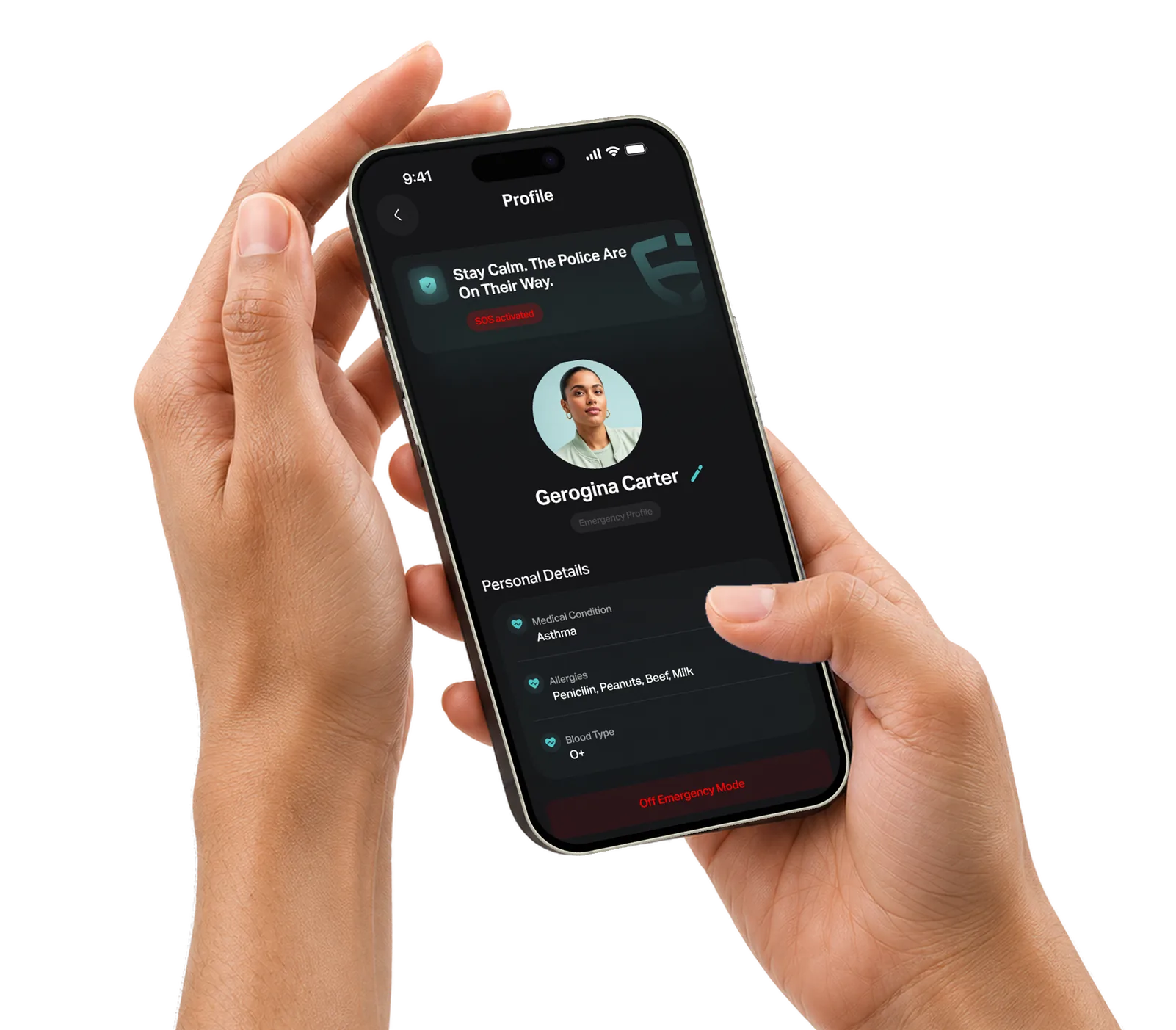
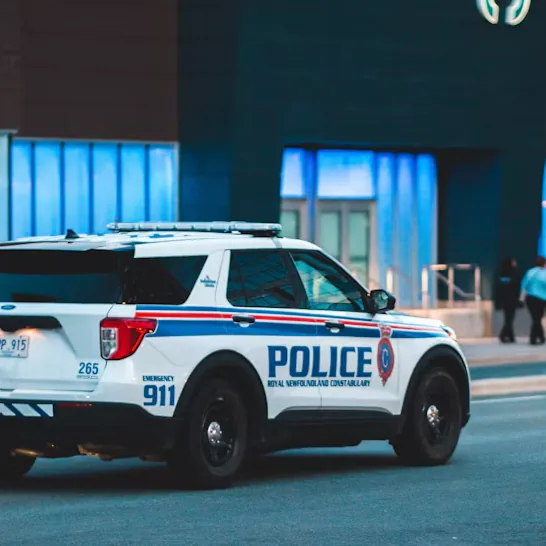
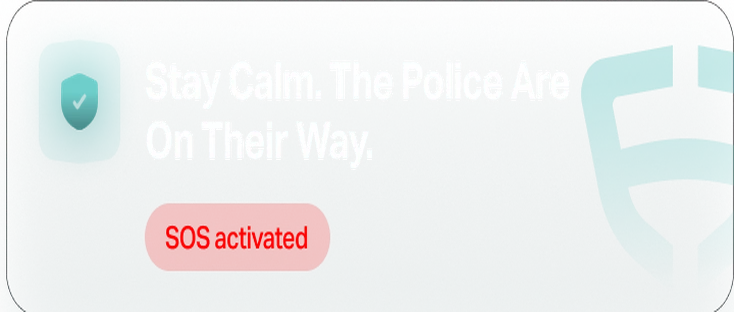
In an emergency, every second counts. Triple-tap your phone’s lock button to alert the police and ambulance services with live location, then notify your family when you need help most.

 Mexico
Get 3 days free when HopSafer launches, then enjoy lifetime access for a one-time payment of $45.
Join Waitlist You Will Receive HopSafer In Less Than 10 Days